
Revolutionizing the Drive: The Future of Wireless Electronics and Automotive Accessories.
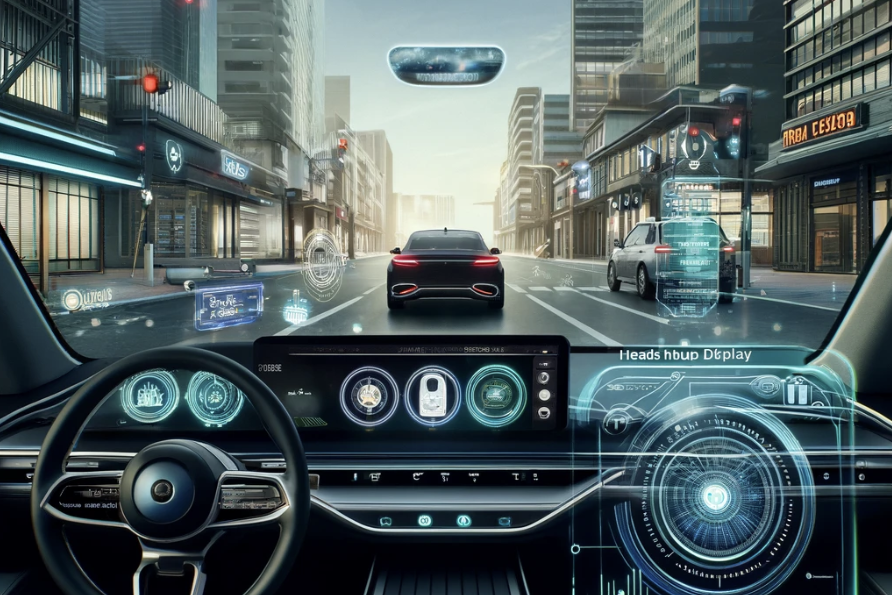
Table of Contents
- The Wireless Wave: Cutting the Cord
- Bluetooth Connectivity: The Heartbeat of Modern Vehicles
- Wireless Charging: Power Up Without the Hassle
- Dash Cams: Your Silent Guardian
- High-Performance Car Audio Systems: Elevating the In-Car Experience
- Smart Heads-Up Displays (HUDs): Information in Your Line of Sight
- The Road Ahead: Future Innovations
- Autonomous Vehicles: The Ultimate Wireless Revolution
- Conclusion: Embracing the Future
In a world where convenience is king and innovation reigns supreme, the marriage of wireless electronics and automotive accessories stands at the forefront of technological evolution. Imagine a drive where your car seamlessly connects to your digital life, transforming mundane commutes into immersive experiences. Picture a journey where every mile is enhanced by cutting-edge gadgets designed to anticipate your needs, ensuring safety, comfort, and entertainment at every turn. This is not the distant future but the exciting reality unfolding in front of us.
The automotive industry has always been a hotbed of innovation, from the early days of mechanical ingenuity to the sophisticated, tech-driven vehicles we see today. However, the latest wave of advancements is different. It’s not just about making cars faster or more fuel-efficient; it’s about integrating technology that fundamentally changes how we interact with our vehicles and the world around us. Wireless electronics are at the heart of this transformation, offering a plethora of solutions that make our lives easier and our drives more enjoyable.
Consider the simplicity of wireless connectivity. No more fumbling with cables or dealing with cluttered dashboards. Instead, imagine a car where your smartphone syncs automatically the moment you step inside, where you can control everything from music to navigation with a simple voice command. This is the power of wireless technology – it’s about creating a seamless, intuitive experience that aligns perfectly with our fast-paced, always-connected lives.
But the impact of wireless electronics goes beyond mere convenience. They are pivotal in enhancing safety, providing real-time information that can prevent accidents and ensure our journeys are as secure as they are enjoyable. From advanced driver-assistance systems that warn of potential hazards to tire pressure monitoring systems that keep a constant check on your tires' health, wireless technology is revolutionizing vehicle safety standards.
Then there’s the realm of entertainment and comfort. Long drives can often be monotonous, but with the right wireless accessories, they become opportunities for relaxation and enjoyment. High-quality audio systems, wireless headphones for passengers, and even smart displays that keep everyone entertained – these are the enhancements that transform a regular trip into a pleasurable adventure.
Moreover, the environmental impact cannot be overlooked. Wireless technology contributes to smarter, more efficient driving practices, reducing fuel consumption and lowering emissions. As the automotive industry shifts towards greener solutions, wireless electronics play a crucial role in creating eco-friendly driving experiences without compromising on performance or comfort.
This exploration into the future of driving is not just about gadgets and gizmos; it’s about redefining what it means to be behind the wheel. It’s about creating a holistic experience that encompasses safety, convenience, entertainment, and sustainability. As we stand on the brink of this technological revolution, let’s dive deeper into the world of wireless electronics and automotive accessories, exploring how these innovations are set to transform our journeys like never before.
The Wireless Wave: Cutting the Cord
Gone are the days of tangled wires and cumbersome installations. Wireless technology has swept through the automotive industry, bringing a wave of convenience and efficiency. From Bluetooth-enabled devices to cutting-edge wireless charging systems, the possibilities are endless. This shift is more than just a technological upgrade; it's a revolution that enhances every aspect of the driving experience.
Bluetooth technology has become the backbone of modern in-car entertainment and communication systems. This ubiquitous wireless technology allows for seamless integration of devices, transforming the way we interact with our vehicles. Imagine stepping into your car and having your smartphone automatically connect to the car’s infotainment system. No more fumbling with cables or worrying about compatible ports; your music, contacts, and navigation are instantly available.
With Bluetooth, the convenience extends to voice-activated controls. Virtual assistants like Siri and Google Assistant enable drivers to control various functions with simple voice commands. Whether you’re making a phone call, sending a text message, or adjusting the air conditioning, you can do it all hands-free. This not only enhances convenience but also significantly improves safety by allowing drivers to keep their hands on the wheel and eyes on the road.
One of the most frustrating aspects of modern technology is the need to constantly charge our devices. Cables can be cumbersome and often get lost or damaged. Wireless charging pads, now commonly integrated into vehicle center consoles, offer an elegant solution. These pads use electromagnetic fields to transfer energy, allowing drivers and passengers to simply place their compatible devices on the pad to start charging.
This technology eliminates the need for multiple charging cables and adapters, keeping the car interior neat and organized. It also ensures that your devices are always charged and ready to use, whether for navigation, music, or emergency calls. As wireless charging technology continues to evolve, we can expect faster charging times and broader compatibility with a variety of devices.
The integration of smart devices with car systems has taken connectivity to a new level. Smart home devices, for example, can now be controlled from the car. Imagine turning on your home’s lights, adjusting the thermostat, or checking your security cameras, all while stuck in traffic. This level of integration creates a unified ecosystem where your car becomes an extension of your digital life, offering unprecedented levels of convenience and control.
Moreover, advanced telematics systems use wireless technology to provide real-time data on vehicle performance and diagnostics. These systems can alert you to potential issues before they become serious problems, schedule maintenance, and even assist in locating your vehicle if it's stolen. The ability to monitor and manage vehicle health remotely represents a significant leap forward in automotive technology.
Streaming and entertainment options have also been revolutionized by wireless technology. Passengers can stream their favorite movies, TV shows, or music directly from their devices to the car’s entertainment system without the need for any physical connection. This ensures that everyone in the car can enjoy their preferred content, making long trips more enjoyable and less tedious.
In-car Wi-Fi hotspots have become a common feature, providing internet connectivity for all passengers. This allows for seamless browsing, social media use, and access to online services, transforming the car into a mobile office or entertainment center. Whether it’s a business professional catching up on emails or children watching their favorite cartoons, wireless technology caters to the needs of all passengers.
The environmental benefits of wireless technology in cars cannot be overlooked. By enabling more efficient driving practices and reducing the need for physical infrastructure, these innovations help decrease our carbon footprint. For instance, wireless vehicle-to-grid (V2G) systems allow electric vehicles to communicate with the power grid, optimizing energy use and contributing to a more sustainable future. As more electric vehicles hit the road, the role of wireless technology in promoting environmental sustainability will only grow.
In essence, wireless technology in the automotive industry is not just about cutting the cord; it's about cutting through the limitations of traditional car design and functionality. It’s about creating a driving experience that is seamless, intuitive, and infinitely more enjoyable. As we continue to embrace and develop these technologies, the future of driving promises to be more connected and efficient than ever before.
Bluetooth Connectivity: The Heartbeat of Modern Vehicles
Bluetooth technology has fundamentally transformed how we interact with our vehicles, turning them into more than just modes of transportation. It has become an essential feature that enhances both convenience and safety, creating a seamless bridge between our digital lives and our driving experience. By enabling wireless communication between various devices and the car’s systems, Bluetooth connectivity has revolutionized the in-car experience in multiple significant ways.
When you step into a modern vehicle, the ease with which your smartphone connects to the car’s infotainment system is a testament to the power of Bluetooth technology. This immediate connection means that your favorite playlists, contacts, and navigation routes are at your fingertips without the hassle of plugging in cables. The infotainment system can access your phone's content instantly, allowing you to stream music, podcasts, or audiobooks directly through the car’s speakers with impeccable sound quality. This not only enhances entertainment but also keeps the cabin clutter-free, providing a more streamlined and enjoyable driving environment.
Voice-activated controls, enabled by Bluetooth, have further enhanced the driving experience. By simply speaking commands, drivers can make phone calls, send text messages, or adjust climate controls without taking their hands off the wheel. This hands-free operation reduces distractions and significantly enhances safety, as drivers can stay focused on the road. Additionally, voice commands can be used to interact with virtual assistants like Siri or Google Assistant, enabling drivers to get directions, check the weather, or even manage their calendars without glancing away from the road.
Bluetooth connectivity also extends to hands-free calling, which has become a standard feature in many vehicles. By routing calls through the car's audio system, Bluetooth allows drivers to have clear and audible conversations without the need to hold their phones. This not only complies with legal requirements in many regions but also promotes safer driving practices. High-quality microphones and noise-cancellation technology ensure that conversations are clear, even in noisy environments.
The integration of Bluetooth in modern vehicles also supports seamless interaction with a wide range of accessories. For instance, many vehicles now come equipped with Bluetooth-enabled tire pressure monitoring systems (TPMS), which continuously transmit tire pressure data to the car’s dashboard. This allows drivers to monitor tire conditions in real time, ensuring optimal performance and safety. Similarly, Bluetooth-enabled diagnostic tools can provide real-time feedback on various aspects of the vehicle's performance, alerting drivers to potential issues before they become serious problems.
In addition to personal convenience, Bluetooth technology is playing a crucial role in fleet management and commercial vehicles. Fleet operators can use Bluetooth to monitor the location, speed, and performance of their vehicles, helping to improve efficiency and reduce costs. Real-time data collection and analysis enable better decision-making and proactive maintenance, ensuring that vehicles remain in top condition and reducing downtime.
The evolution of Bluetooth technology continues to push the boundaries of what is possible in vehicle connectivity. The latest versions of Bluetooth offer improved data transfer rates, lower power consumption, and enhanced security features. These advancements are paving the way for even more innovative applications, such as over-the-air software updates for vehicle systems and enhanced vehicle-to-vehicle (V2V) communication. These updates allow manufacturers to address software bugs, add new features, and improve existing functionalities without requiring a visit to the dealership.
As autonomous driving technologies advance, Bluetooth will play an increasingly vital role in ensuring seamless communication between various systems within the vehicle. It will enable more sophisticated interactions between the car and its environment, including other vehicles and infrastructure, contributing to safer and more efficient roadways.
Wireless Charging: Power Up Without the Hassle
One of the most significant advancements in automotive technology is the advent of wireless charging, a feature that eliminates the need for cumbersome cables and adapters. This technology has been a game-changer for drivers and passengers alike, offering unparalleled convenience and efficiency. As our reliance on electronic devices grows, the ability to charge them seamlessly while on the go has become an essential feature in modern vehicles.
Imagine the simplicity of just placing your smartphone on a charging pad integrated into your car’s center console and watching it power up without any need for cables. This technology, based on electromagnetic induction, transfers energy between two coils – one in the charging pad and the other in the device. This method not only keeps the car interior clutter-free but also ensures that your devices are always charged and ready to use, whether for navigation, communication, or entertainment.
The convenience of wireless charging cannot be overstated. Traditional charging methods often involve multiple cables that can easily become tangled or lost. Wireless charging pads eliminate this problem, providing a clean and organized environment. This is particularly beneficial for drivers who use their vehicles as mobile offices or rely heavily on their devices for various tasks. No more digging through the glove compartment or console for a charging cable – just a smooth, integrated charging experience that starts automatically.
The integration of wireless charging in vehicles also addresses the growing trend of smart devices. Today, it's common for drivers and passengers to carry multiple devices, such as smartphones, tablets, and smartwatches. Wireless charging pads in vehicles are designed to support multiple devices simultaneously, ensuring that everyone in the car can keep their gadgets powered up. This is especially useful on long trips, where maintaining battery life is crucial for navigation, entertainment, and staying connected.
As wireless charging technology continues to evolve, so too does its efficiency and speed. Early versions of wireless charging were criticized for being slower than their wired counterparts. However, advancements in the technology have significantly reduced charging times, making wireless charging just as fast, if not faster, than traditional methods. This means drivers and passengers can enjoy quick and efficient power-ups, even during short trips.
Moreover, the adoption of wireless charging extends beyond personal convenience; it has broader implications for the automotive industry and its move towards a more sustainable future. Wireless charging systems are being developed for electric vehicles (EVs), allowing them to charge without physical connections. Imagine pulling into a garage or a parking spot equipped with a wireless charging system and having your EV charge automatically. This technology simplifies the charging process and reduces wear and tear on charging ports, enhancing the longevity and reliability of the vehicles.
The concept of wireless charging also aligns with the vision of smart cities and connected infrastructure. In the future, roads and parking spaces could be equipped with wireless charging capabilities, enabling vehicles to charge while on the move or parked. This innovation would revolutionize urban mobility, reducing the need for extensive charging stations and making EV ownership more convenient and accessible.
The environmental benefits of wireless charging are also significant. By making it easier to charge electric vehicles, wireless technology can encourage the adoption of EVs, which are essential for reducing greenhouse gas emissions and combating climate change. As more drivers transition to electric vehicles, the demand for convenient and efficient charging solutions will continue to grow, driving further innovation in wireless charging technology.
Additionally, wireless charging systems in vehicles are designed with safety in mind. These systems include various safety features to prevent overheating and ensure that charging stops once the device is fully charged. This not only protects the device's battery but also reduces the risk of damage or fire. Furthermore, wireless charging pads are typically designed to operate only when a compatible device is detected, preventing energy wastage and enhancing overall safety.
Dash Cams: Your Silent Guardian
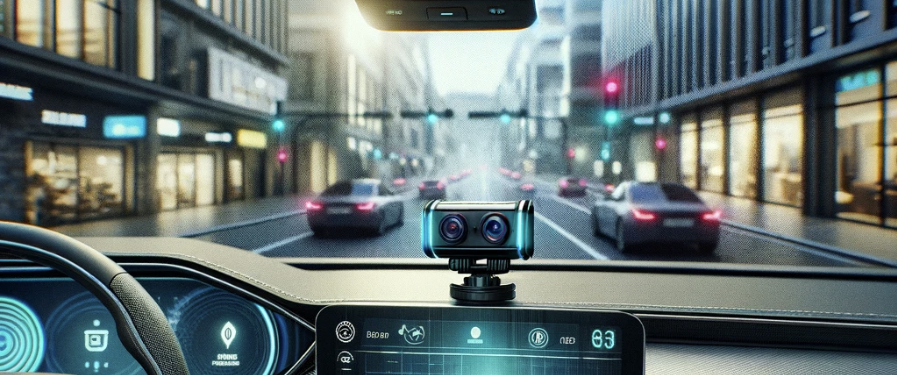
Dash cams have evolved far beyond their humble beginnings as simple recording devices. Today, they stand as sophisticated guardians of the road, equipped with a multitude of features designed to enhance safety, provide evidence in case of incidents, and even offer peace of mind when you’re away from your vehicle. The rise in popularity of dash cams is a testament to their invaluable role in modern driving.
At the heart of a dash cam’s appeal is its ability to continuously record video footage while you drive. This constant surveillance can be a lifesaver in the event of an accident, providing crucial evidence that can clarify the circumstances leading up to the incident. Whether it's a minor fender-bender or a major collision, having clear video footage can help determine fault and protect you from fraudulent claims. In many cases, the presence of a dash cam can expedite insurance claims, saving both time and money.
Modern dash cams come equipped with high-definition cameras that capture crisp, clear footage day and night. Advanced models feature wide-angle lenses that provide a comprehensive view of the road, ensuring that nothing goes unnoticed. This wide field of view is particularly useful in capturing details from all angles, which can be critical in understanding the full context of an incident. Some dash cams also offer dual-channel recording, with one camera facing forward and another facing the rear, providing complete coverage of your vehicle’s surroundings.
Night vision capabilities have become a standard feature in many dash cams, ensuring that your camera can capture detailed footage even in low-light conditions. This is particularly important for nighttime driving, where visibility is reduced, and the risk of accidents increases. Infrared sensors and advanced imaging technology enable dash cams to record clear video footage regardless of lighting conditions, giving you confidence that your vehicle is being monitored around the clock.
Motion detection is another advanced feature found in many modern dash cams. This technology enables the camera to start recording as soon as motion is detected around your vehicle, even when it’s parked. This can be incredibly useful for monitoring your car while it's unattended, providing a watchful eye against potential theft or vandalism. If someone tries to break into your vehicle or damages it while you’re away, the dash cam will capture the event, providing you with crucial evidence to present to the authorities.
Wi-Fi connectivity has also revolutionized the functionality of dash cams. With this feature, you can easily access and download footage to your smartphone or tablet without needing to remove the memory card. This makes it simple to review and share video clips, whether you need to provide evidence to the police, share a memorable road trip moment, or simply monitor your driving habits. Additionally, some dash cams offer cloud storage options, allowing you to securely back up your footage and access it from anywhere.
Real-time GPS tracking is another significant enhancement in modern dash cams. This feature records your vehicle's speed and location, which can be overlaid onto the video footage. In the event of an accident, this information can provide additional context, helping to reconstruct the event accurately. GPS tracking can also be useful for keeping track of your routes and travel history, making it easier to recall specific trips or provide documentation for business purposes.
Dash cams are not just passive recorders; they can actively contribute to safer driving. Some models include advanced driver-assistance systems (ADAS) that provide real-time alerts for potential hazards. These systems can warn you if you’re veering out of your lane, getting too close to the vehicle in front, or if a pedestrian is detected on the road ahead. These alerts can help you react more quickly to potential dangers, reducing the likelihood of accidents.
The benefits of dash cams extend beyond individual drivers. For fleet operators and commercial vehicles, dash cams offer a valuable tool for monitoring driver behavior and ensuring compliance with safety regulations. By reviewing footage, fleet managers can identify areas where drivers may need additional training or support, helping to promote safer driving practices across the entire fleet. This not only enhances safety but can also lead to reduced insurance premiums and lower operating costs.
High-Performance Car Audio Systems: Elevating the In-Car Experience
High-performance car audio systems have become a must-have accessory for enthusiasts and casual drivers alike, transforming the in-car entertainment experience. These advanced systems, such as the Hifonics ZS65C Zeus Series 6.5" 400-Watt 2-Way Component Speaker System, offer superior sound quality that elevates every journey. Let's explore how these sophisticated audio systems enhance the driving experience.
Car audio systems have evolved significantly, with modern offerings providing crisp, clear sound that rivals home audio setups. High-performance speakers are designed to deliver rich, immersive audio, allowing drivers and passengers to enjoy their favorite music, podcasts, and audiobooks in pristine quality. These systems typically include component speakers, amplifiers, and subwoofers, each contributing to a dynamic and balanced soundstage.
Component speaker systems, like the Hifonics ZS65C Zeus Series, separate the tweeter and woofer into different units, optimizing sound reproduction. This design allows for precise control over high and low frequencies, resulting in a more detailed and accurate audio experience. The tweeters handle high-frequency sounds, such as vocals and treble, while the woofers manage the mid-range and bass frequencies, ensuring that every note is delivered with clarity and power.
Amplifiers play a crucial role in high-performance audio systems by boosting the signal from the head unit to the speakers. This amplification ensures that the sound is powerful and clear, even at high volumes. Modern amplifiers are designed to be efficient and compact, fitting seamlessly into the vehicle's interior without sacrificing performance.
Subwoofers add depth to the audio experience by handling low-frequency sounds, producing deep and resonant bass. A well-integrated subwoofer can transform the listening experience, making music feel more alive and immersive. Whether it’s the thump of a bass drum or the rumble of a bass guitar, subwoofers ensure that every low-end detail is felt as well as heard.
In addition to superior sound quality, high-performance car audio systems often feature advanced connectivity options. Bluetooth and Wi-Fi integration allow for seamless streaming from smartphones and other devices, making it easy to play your favorite tracks on the go. Some systems also offer voice control and integration with virtual assistants, enabling hands-free operation and enhancing safety by minimizing distractions.
The installation of high-performance audio systems can also include custom tuning to match the acoustics of the specific vehicle. Professional installers can adjust the settings to optimize sound quality based on the car’s interior layout, ensuring that every seat enjoys a premium audio experience. This level of customization allows drivers to tailor the sound to their personal preferences, whether they prefer punchy bass, clear mids, or sparkling highs.
High-performance car audio systems not only enhance entertainment but also add value to the vehicle. For many car enthusiasts, a top-tier audio setup is a point of pride, showcasing their commitment to quality and attention to detail. Upgrading the factory audio system can significantly improve the overall driving experience, making daily commutes and long road trips more enjoyable.
Smart Heads-Up Displays (HUDs): Information in Your Line of Sight
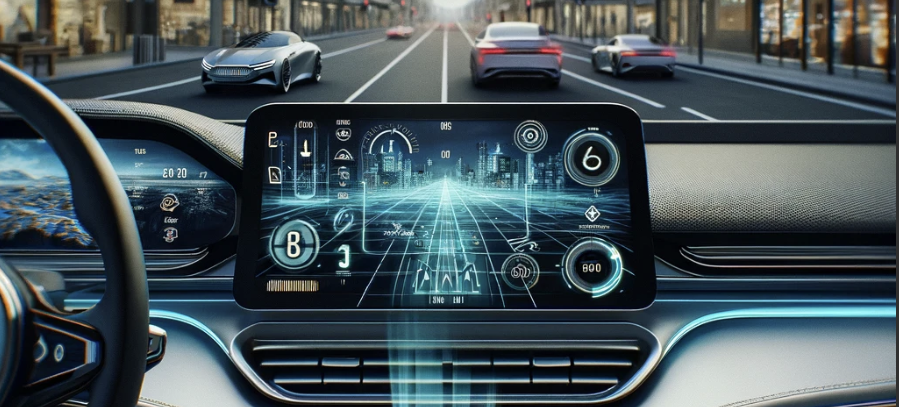
Smart Heads-Up Displays (HUDs) have transformed the driving experience by projecting essential information directly onto the windshield, keeping drivers informed without diverting their attention from the road. This innovative technology offers a futuristic, safer, and more intuitive way to access critical data while driving, integrating seamlessly with modern vehicle systems and enhancing overall driving safety and efficiency.
HUDs work by projecting a transparent display onto the windshield, providing real-time information such as speed, navigation directions, and various alerts within the driver’s natural line of sight. This setup allows drivers to access important information without looking away from the road, significantly reducing the risk of distraction-related accidents. By having vital data readily visible, drivers can make informed decisions quickly and safely.
One of the most significant advantages of smart HUDs is their ability to integrate with advanced driver-assistance systems (ADAS). These systems can display lane departure warnings, forward collision alerts, and even pedestrian detection notifications directly on the HUD. By providing immediate visual feedback on potential hazards, HUDs enhance driver awareness and reaction times, contributing to a safer driving environment. This real-time feedback can be crucial in preventing accidents and ensuring that drivers remain vigilant.
Navigation systems have also seen substantial improvements with the integration of HUDs. Traditional navigation systems require drivers to glance at a separate screen, which can be distracting. With HUDs, turn-by-turn directions are projected onto the windshield, allowing drivers to keep their eyes on the road while following the route. Additionally, some advanced HUDs incorporate augmented reality (AR) to highlight the actual road path and upcoming turns, making navigation more intuitive and precise. This AR feature can overlay arrows and indicators on the road itself, providing a clear and direct route to follow.
Smart HUDs also enhance connectivity by integrating with smartphones and other devices. Drivers can receive incoming call notifications, read text messages, and control music playback without taking their hands off the wheel. Voice command functionality further streamlines these interactions, allowing drivers to respond to messages, make calls, and access apps using natural language commands. This level of integration ensures that drivers stay connected without compromising safety.
Personalization is another key aspect of modern HUDs. Drivers can customize the display to show the information most relevant to them, such as fuel levels, engine status, or traffic updates. This flexibility ensures that the HUD provides the most useful data based on individual preferences and driving conditions. Some HUDs can even adjust the display based on ambient light conditions, ensuring optimal visibility both day and night.
The design and functionality of HUDs are continually evolving, with new advancements pushing the boundaries of what this technology can offer. For instance, next-generation HUDs are exploring the use of holographic displays and wider projection areas, providing even more information without obstructing the driver’s view. Additionally, integration with vehicle-to-everything (V2X) communication systems can provide real-time updates on traffic conditions, road hazards, and weather alerts, further enhancing the driving experience.
Beyond the immediate benefits of safety and convenience, HUDs also contribute to a more relaxed and confident driving experience. By reducing the need to constantly shift focus between the road and various dashboard displays, drivers can maintain a more stable and attentive driving posture. This reduction in cognitive load can help minimize fatigue on long journeys, making driving more enjoyable and less stressful.
In the context of autonomous vehicles, HUDs will play a critical role in transitioning control between the driver and the vehicle. As autonomous features become more prevalent, HUDs can provide clear indicators of when it’s safe to engage or disengage autonomous driving modes, ensuring that drivers remain informed and in control. This capability will be crucial in building trust in autonomous systems and ensuring a smooth transition between manual and automated driving.
The Road Ahead: Future Innovations
As we look to the future, the integration of wireless electronics and automotive accessories promises even more groundbreaking advancements. The horizon is filled with possibilities that extend far beyond our current expectations, as technology continues to evolve and reshape our driving experiences. From autonomous driving technologies to enhanced vehicle-to-everything (V2X) communication, the road ahead is paved with innovations that will redefine mobility, safety, and convenience.
The ultimate wireless revolution lies in the realm of autonomous vehicles. These self-driving cars rely on an intricate network of sensors, cameras, and wireless communication systems to navigate the roads without human intervention. The development of autonomous vehicles is progressing rapidly, with companies like Tesla, Waymo, and many traditional automakers investing heavily in this technology. These vehicles promise to make driving safer by reducing human error, which is a leading cause of accidents. The goal is to create a seamless and reliable autonomous driving experience that can handle a wide range of driving conditions, from busy urban streets to remote highways.
Autonomous vehicles will not only enhance safety but also transform our daily routines. Imagine a future where your car drops you off at work and then parks itself, or where you can catch up on work or relax while your vehicle navigates through traffic. This shift will redefine commuting, offering more productive and stress-free travel. Additionally, autonomous vehicles can significantly improve mobility for individuals who are unable to drive, such as the elderly and disabled, thereby enhancing their independence and quality of life.
Vehicle-to-everything (V2X) communication is another area where wireless technology is set to make a profound impact. V2X allows cars to interact with each other and the surrounding infrastructure, such as traffic lights, road signs, and even pedestrians. This communication network enables real-time data exchange, leading to more informed and efficient driving decisions. For instance, vehicles can receive alerts about traffic jams, road hazards, or weather conditions ahead, allowing them to adjust routes and speeds accordingly. This level of connectivity will not only improve traffic flow but also reduce the likelihood of accidents.
The integration of V2X communication will also facilitate the development of smart cities. Traffic management systems can use data from connected vehicles to optimize traffic signals, reduce congestion, and lower emissions. Moreover, connected infrastructure can support more efficient public transportation systems, making cities cleaner, safer, and more efficient. As more vehicles become connected, the benefits of V2X communication will become increasingly apparent, leading to smarter and more sustainable urban environments.
Electric vehicles (EVs) are another significant focus of future innovations. As the world shifts towards more sustainable energy sources, the automotive industry is embracing electric powertrains. Wireless technology will play a crucial role in this transition, with innovations such as wireless charging for EVs. This technology eliminates the need for physical charging cables, allowing vehicles to charge automatically when parked over a charging pad. Such advancements will make owning and operating EVs more convenient and accessible, encouraging wider adoption.
Furthermore, the development of ultra-fast charging networks will address one of the primary concerns associated with EVs: range anxiety. With wireless fast-charging stations strategically placed along major highways and in urban centers, drivers will be able to recharge their vehicles quickly and efficiently, making long-distance travel more feasible. Additionally, advancements in battery technology will continue to extend the range of EVs, making them a more attractive option for a broader audience.
Another exciting innovation on the horizon is the integration of artificial intelligence (AI) in automotive systems. AI can enhance various aspects of driving, from improving navigation and route planning to optimizing vehicle performance and energy efficiency. For example, AI-powered systems can analyze real-time traffic data and predict the best routes, reducing travel time and fuel consumption. AI can also enhance safety features, such as predictive maintenance alerts that notify drivers of potential issues before they become serious problems.
The concept of shared mobility is also gaining traction, with wireless technology playing a pivotal role. Ride-sharing and car-sharing services are becoming more popular, offering flexible and cost-effective transportation options. In the future, these services could become even more efficient with the introduction of autonomous and connected vehicles. Imagine a fleet of self-driving cars that can be summoned via a smartphone app, picking up passengers and dropping them off at their destinations without the need for a human driver. This could revolutionize urban mobility, reducing the need for private car ownership and alleviating traffic congestion.
Moreover, the personalization of the driving experience will continue to evolve. Future vehicles will be able to learn and adapt to the preferences and habits of their users, offering a customized driving experience. For instance, your car could automatically adjust the seat, mirrors, and climate control to your preferred settings as soon as you get in. It could also remember your favorite routes and destinations, providing personalized recommendations and reminders. This level of personalization will make driving more enjoyable and convenient, tailored to the unique needs of each driver.
Autonomous Vehicles: The Ultimate Wireless Revolution
Autonomous vehicles represent the pinnacle of wireless innovation, marking a transformative shift in how we approach transportation. These self-driving cars rely on an intricate network of sensors, cameras, and wireless communication systems to navigate roads without human intervention. As the technology behind autonomous vehicles continues to advance, it promises to revolutionize not only the way we drive but also our daily lives, economies, and urban environments.
The core technology enabling autonomous vehicles is a sophisticated array of sensors, including LIDAR, radar, ultrasonic sensors, and high-definition cameras. These sensors work together to create a detailed, real-time map of the vehicle’s surroundings, allowing it to detect obstacles, interpret traffic signals, and respond to dynamic road conditions. This comprehensive situational awareness is essential for safe and reliable autonomous driving.
Wireless communication plays a crucial role in the functionality of autonomous vehicles. Vehicle-to-everything (V2X) communication allows self-driving cars to interact with other vehicles, traffic infrastructure, and even pedestrians. This exchange of information enables vehicles to anticipate and react to potential hazards more effectively than human drivers. For example, V2X communication can alert a vehicle to an accident several miles ahead, allowing it to reroute and avoid congestion.
The development of autonomous vehicles has the potential to significantly enhance road safety. Human error is a leading cause of traffic accidents, and by removing the human element, autonomous vehicles can drastically reduce the number of collisions. Self-driving cars are programmed to obey traffic laws, maintain safe following distances, and react instantaneously to changes in their environment. Advanced algorithms and machine learning enable these vehicles to continually improve their decision-making processes, adapting to new situations and learning from past experiences.
Autonomous vehicles also promise to improve efficiency and reduce traffic congestion. By communicating with each other and traffic management systems, self-driving cars can optimize routes, reduce stop-and-go traffic, and improve overall traffic flow. This level of coordination is difficult to achieve with human drivers, who are prone to unpredictable behavior and delays in reaction time. Autonomous vehicles can maintain consistent speeds, execute precise maneuvers, and merge seamlessly into traffic, contributing to smoother and more efficient roadways.
The environmental benefits of autonomous vehicles are substantial as well. Efficient driving practices, such as smooth acceleration and deceleration, can reduce fuel consumption and lower emissions. Moreover, the widespread adoption of electric autonomous vehicles could further decrease the transportation sector's carbon footprint. Autonomous technology can also facilitate the development of car-sharing and ride-hailing services, reducing the need for private car ownership and minimizing the number of vehicles on the road.
In addition to safety and environmental benefits, autonomous vehicles offer significant economic advantages. They have the potential to reduce transportation costs by eliminating the need for human drivers in commercial applications such as freight transport and public transit. Companies like Uber and Lyft are already exploring autonomous ride-hailing services, which could lower operating costs and make rides more affordable for consumers. Autonomous delivery vehicles and drones are also being developed to streamline logistics and reduce delivery times.
Autonomous vehicles will also have profound implications for urban planning and infrastructure. As self-driving cars become more prevalent, cities may need to rethink their layouts and design to accommodate these vehicles. For instance, parking lots and spaces could be repurposed for green spaces or additional housing, as autonomous vehicles can drop passengers off and park themselves in more distant or compact locations. This shift could lead to more pedestrian-friendly and less congested urban areas.
The transition to a future dominated by autonomous vehicles will not be without challenges. Regulatory frameworks will need to evolve to address issues of safety, liability, and cybersecurity. Ensuring that autonomous vehicles can operate safely in diverse environments and under various conditions is paramount. Furthermore, the ethical considerations of programming decision-making algorithms, especially in scenarios where accidents are unavoidable, will require careful deliberation.
Public acceptance of autonomous vehicles is another critical factor in their successful adoption. Building trust in the technology will require transparent communication about its benefits and limitations, as well as real-world demonstrations of its safety and reliability. Educating the public about how autonomous vehicles work and the safety protocols in place can help alleviate concerns and build confidence in this transformative technology.
Conclusion: Embracing the Future
Wireless electronics and automotive accessories are no longer just add-ons; they are integral components of the modern driving experience. As technology continues to evolve, so too will our vehicles, transforming the way we travel and interact with the world around us. Embrace the future, and let these innovations drive you toward a smarter, safer, and more connected journey.
The integration of wireless technology in automotive accessories marks a new chapter in the history of driving. This transformation is akin to the shift from horses to horseless carriages over a century ago. Just as that revolution reshaped our cities, economies, and daily lives, the current wave of wireless advancements is poised to redefine our relationship with cars.
Imagine a world where your car is not just a mode of transportation but an extension of your home and office. The lines between these spaces are blurring, thanks to wireless connectivity. You can start your day by syncing your calendar and receiving traffic updates while you sip your morning coffee. Your car becomes a mobile office, a personal assistant, and an entertainment hub all rolled into one. Long commutes are transformed into productive or relaxing experiences, tailored to your preferences and needs.
Moreover, the environmental benefits of wireless technology in cars cannot be understated. By enabling more efficient driving practices and reducing the need for physical infrastructure, these innovations help decrease our carbon footprint. For instance, wireless vehicle-to-grid (V2G) systems allow electric vehicles to communicate with the power grid, optimizing energy use and contributing to a more sustainable future. As more electric vehicles hit the road, the role of wireless technology in promoting environmental sustainability will only grow.
Safety is another critical area where wireless automotive technology shines. Advanced driver-assistance systems (ADAS) and autonomous driving technologies rely heavily on wireless communication to function effectively. These systems can detect potential hazards, monitor the driver’s condition, and even take control of the vehicle to prevent accidents. The widespread adoption of such technologies promises to significantly reduce traffic fatalities and injuries, making our roads safer for everyone.
Furthermore, the continuous development of wireless technologies fosters a culture of innovation within the automotive industry. Automakers and tech companies are collaborating like never before, pushing the boundaries of what is possible. This spirit of innovation not only leads to better products but also drives economic growth, creating new jobs and industries centered around smart transportation solutions.
As consumers, we stand to benefit immensely from these advancements. The convenience, safety, and efficiency offered by wireless automotive technologies enhance our quality of life in countless ways. Whether it’s the peace of mind that comes with enhanced safety features, the joy of a seamless in-car entertainment system, or the environmental benefits of smarter energy use, the advantages are clear.
In conclusion, the future of driving is bright, thanks to the integration of wireless electronics and automotive accessories. These technologies are not just trends; they are the building blocks of a new era in transportation. As we embrace these innovations, we pave the way for a world where driving is safer, more efficient, and more enjoyable. The road ahead is filled with promise, and the journey is just beginning. So, buckle up and get ready to experience the future of driving – a future where wireless technology drives us toward greater heights of connectivity and convenience.